Home › Guides › Best Electric Scooter for Commuting: Match It to Your Route
Best Electric Scooter for Commuting: Match It to Your Route
Match the scooter to the commute, not the other way around. Three numbers decide your daily ride: one-way distance, terrain, and how much of the trip happens at full throttle. We track 149 models across nine brands with daily-synced official prices, and for most commuters the right answer lands between $400 and $650 - the band where 40+ miles of claimed range, folding weight under 60 lbs, and direct-to-consumer pricing all line up.
The range math that actually matters
Every brand publishes a maximum range figure, and every experienced rider learns to haircut it. Claimed range is measured on a light rider, flat ground, steady low speed, fresh charge. Real commuting adds stop-and-go starts, headwind, a rider over 160 lbs, and cold mornings - together they shave 25-40% off the sticker number. The working formula: claimed range at least 4x your one-way distance. A 6-mile each-way commute needs a claimed 24-mile range as the floor; 40+ claimed miles buys you a cushion for winter, bridges, and the aging your battery will do over two years. A 10-mile each-way commute puts you in the 43-56 mile claimed bracket - exactly where models like the NAVEE ST3 Pro (47 mi claimed) and the Inmotion S1F (59 mi) live.
Read range claims against our no-hype buying guide if you want the full checklist of what else to verify before checkout.
Pick by commute distance
- Under 5 miles each way: almost anything with 20+ claimed miles works, so spend on comfort instead. The NAVEE G5 Max ($429, 43 mi claimed) covers the round trip four times over at an entry price.
- 5-10 miles each way: the $500-650 band. The ST3 Pro and S1F above both clear the round trip twice on a charge, which is the point where you stop thinking about charging on a workday.
- 10+ miles, or a bridge on the route: step up to 56+ claimed miles (NAVEE NT5 Max, 53 mi) or a 2200W-class dual setup. Hills multiply range drain - a sustained 6% grade can double consumption versus flats.
Commuter picks from the live catalog
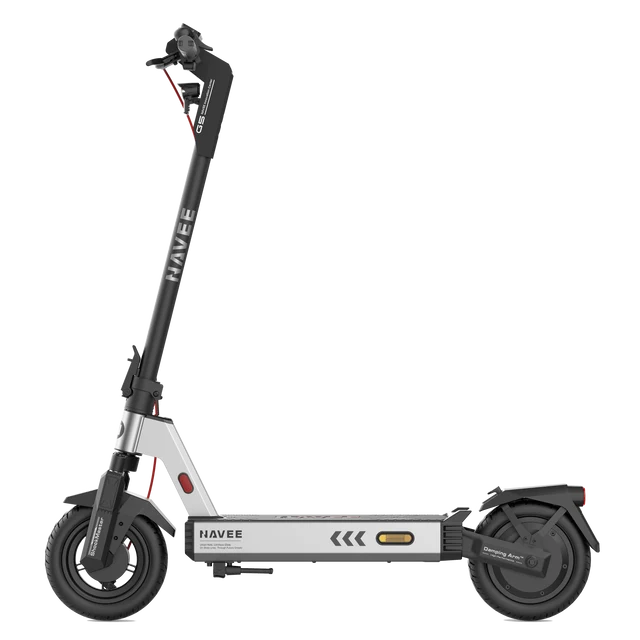
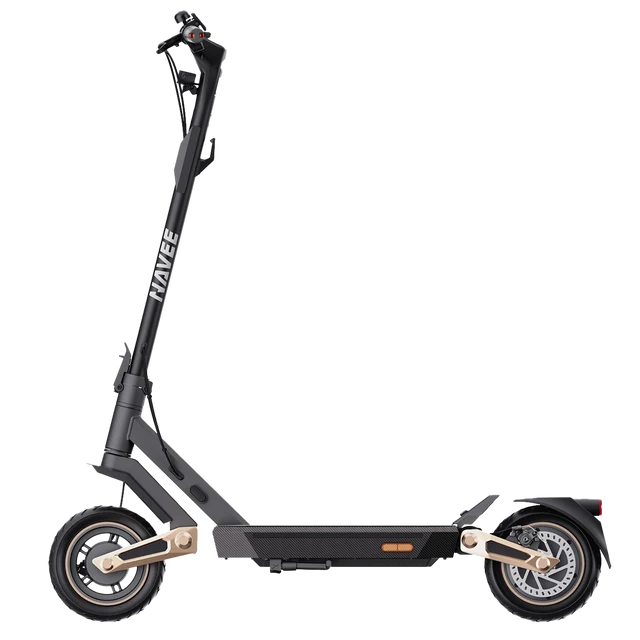
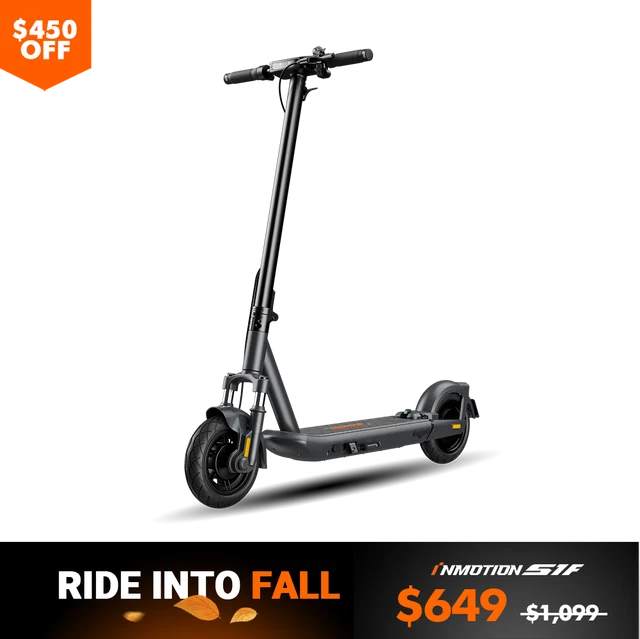
What matters besides range
Motor power decides whether bridges stay fun: a 500W-class motor handles flat cities, while 1000W+ holds 15+ mph up an overpass with a grown adult aboard. Tires decide comfort: 10-inch pneumatic tires soak up potholes that rattle through solid 8-inch wheels. Folding weight decides whether the last block happens on wheels or on your shoulder - under 55 lbs stays transit-friendly. All three columns sit in every model page on this site; start from the under-$1,000 ranked catalog and sort by what your route punishes most.
Your $400-650 sweet spot, with receipts
This band is where commuter value concentrates right now: direct-to-consumer pricing means a $599 scooter carries parts and specs that retailed for $900+ two years ago. The full price ladder - what each budget realistically buys - is broken down in our price guide. One warning before checkout: prices move weekly, so confirm the live price on the official store from the Buy button, and check your state's street-legal rules - 15.5-20 mph caps are the common commuter ceiling in the US.
FAQ
Is a 500W motor enough for commuting?
For flat cities, yes - a 500W-class motor with a 43+ mile battery covers most riders up to 220 lbs. For bridge crossings, hill towns, or 200+ lb riders, step up to the 1000W class.
How fast do commuter scooters go?
Legal street models top out between 15.5 and 28 mph, and many US cities cap riders at 15-20 mph. Sustained 18-20 mph is the practical commuting speed - going faster mostly burns range you need for the ride home.
Do I need suspension for city commuting?
If your route has cobblestones, expansion joints or potholes: yes, either front suspension or 10-inch pneumatic tires. On smooth asphalt, correct tire pressure alone rides fine.
Can I take an electric scooter on the subway or bus?
Most transit systems allow folded scooters roughly under 45-60 lbs outside rush hours. Check the folding weight on the model page before buying if transit is part of your route.