Home › Guides › Are Electric Scooters Legal? Where and How They Are Allowed
Are Electric Scooters Legal? Where and How They Are Allowed
Yes - electric scooters are legal on most US streets, and no state bans owning one. What varies, widely, is where you may ride it, how fast, and whether a helmet is required. The scooter in your garage is almost certainly legal; the question is what it is legal to do with it on your block. Here is the 2026 picture, with the honest caveat that this is a snapshot, not legal advice - your city's DOT page outranks any national article, including this one.
Where you may ride
The common US pattern treats low-speed electric scooters like bicycles: bike lanes and roads with speed limits at or below roughly 25-35 mph are open; sidewalks are closed to adult riders in many cities. That sidewalk rule is the one that surprises people - and the one most often enforced, because it is visible. Some dense cities (San Francisco, New York, and others at various points) have gone through phases of restricting or licensing shared rental fleets; those fights are about fleet permits, not your privately owned scooter. Private property, including campus and private roads, sets its own rules.
Speed caps and the law's two registers
Most jurisdictions cap street-legal riding at 15.5-20 mph; a handful of states allow up to 30 mph where scooters are classified like low-speed mopeds. Two registers matter and people mix them up constantly: what you may own (almost anything) and what you may ride on public streets (the capped class). A 50-mph machine is legal to buy and ride on private land; riding it on city streets at full capability is a different matter. The speed guide maps the catalog's speed bands against these caps.
Helmets, age, and licenses
- Helmets: required for riders under 18 in a number of states and cities; required for all ages in a few. Regardless of law, a certified bike helmet is the cheapest insurance in micromobility.
- Minimum age: 16 is the common floor for street riding, 18 for rental fleets.
- License and registration: the low-speed class usually needs neither - several states explicitly exempt e-scooters from registration. Faster machines classified as mopeds change that answer; the deciding variable is the scooter's top speed and motor rating, which is one more reason the 20-25 mph class is the practical street choice.
What this means when you are buying
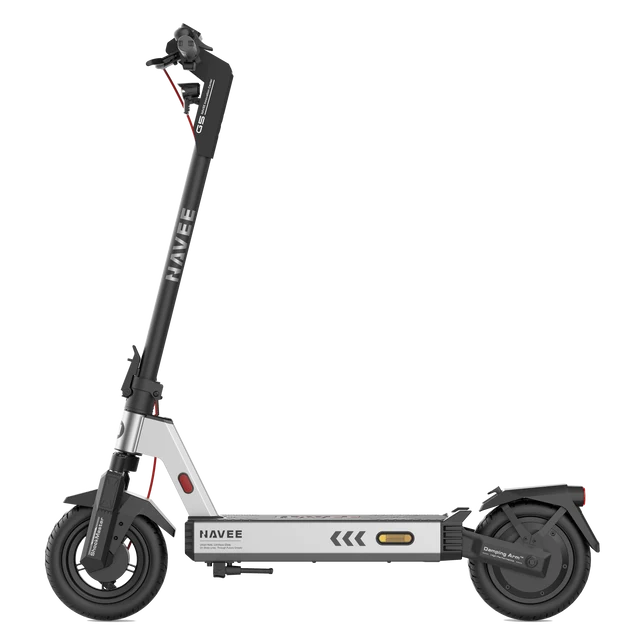
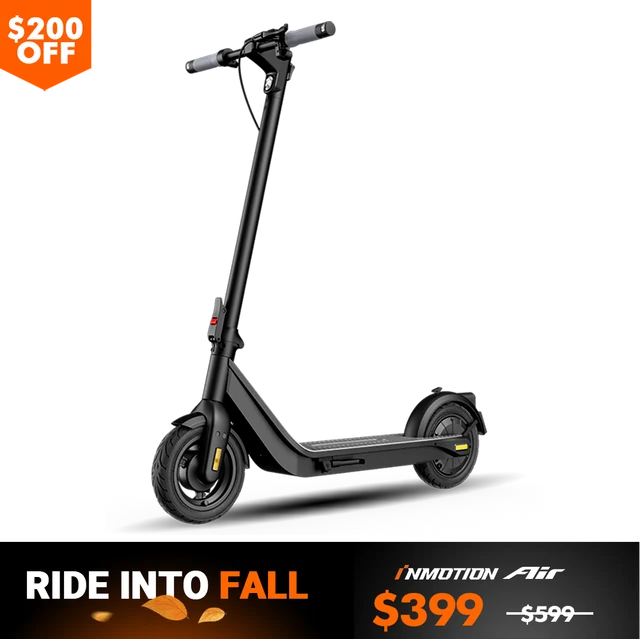
For street commuting, buy inside the capped class - a scooter with a claimed 19-25 mph like the Inmotion Air or the NAVEE G5 Max matches what the law allows nearly everywhere, and paying for more speed than your streets permit buys nothing but legal exposure. Spend the budget on range, brakes, and tires instead - the buying guide ranks those, and the commuting guide sizes the battery to your route.
Street-legal commuters built around the common caps
Three checks before your first ride: your state's e-scooter statute (search "[state] electric scooter law"), your city's DOT micromobility page for sidewalk and lane rules, and the helmet rule for your age group. Ten minutes of reading - then ride like the rules assume you will: visibly, predictably, and with both hands on the bars.
FAQ
Do I need a license to ride an electric scooter?
In most states, no - low-speed e-scooters (roughly sub-750W, sub-20-mph) are exempt from license and registration requirements. Faster machines classified as mopeds are different; your state DMV page has the exact class rules.
Can I ride an electric scooter on the sidewalk?
In many cities, no for adult riders - sidewalks are reserved for pedestrians and it is the most commonly enforced scooter rule. Bike lanes and low-speed streets are the normal legal space; check your city DOT page.
Are fast electric scooters illegal?
Owning one is legal everywhere, and private land is your own rules. On public streets, riding is capped at the local limit (commonly 15.5-20 mph) - a faster machine simply cannot use its top end there legally.
Do adults have to wear a helmet on an electric scooter?
Only in some states and cities - a number require helmets under 18, and a few require them at any age. It is the recommended choice everywhere: head injuries dominate serious scooter accidents.