Home › Guides › Can You Ride an Electric Scooter in the Rain?
Can You Ride an Electric Scooter in the Rain?
Yes, you can ride most modern electric scooters in light rain - with the right IP rating and five rules that keep water where it belongs. What you should not do is treat "waterproof" as a promise. It is a spectrum, and the fine print is written in IP codes.
What IP ratings actually say
An IP code's second digit is the water score. IPX4 - the floor for any scooter marketed as rain-ready - survives water splashing from any direction: drizzle and wet roads, not streams. IPX5 adds low-pressure jets; IPX6 handles heavy, driving rain. IPX7 means brief submersion, which sounds heroic but almost no scooter battery pack is genuinely rated for a soak. Anything below IPX4 - "splash resistant" at best - should stay garaged when clouds stack up.
The five wet-ride rules
- Slow down before you need to. Wet pavement can double braking distance; disc brakes bite later on wet rotors, and regenerative braking feels weaker at low grip. Ride at 70% of your dry speed and start braking twice as early.
- Avoid standing water, not rain. Splashing through puddles can push water past seals into bearings, the display, and the battery port. A puddle hiding a pothole is the classic commuter fall.
- Paint and metal markings become ice. Road paint, manhole covers, and steel plates are the slickest surfaces on any wet street - cross them upright, no lean, no throttle change.
- Visibility is a two-way job. Drivers scan for cars, not scooters, in rain. A $10 reflective vest or spoke lights buys more safety than any spec upgrade.
- Dry it before you charge or store it. Wipe the deck, port, and connector; let it sit indoors an hour. Charging a wet port corrodes pins - the same rule our charging habits guide covers in depth.
What breaks first when water gets in
Not the battery, usually. Bearings rust first (a grinding hum from the front wheel), then the display and connectors fog, then brake rotors glaze. Batteries fail last and expensively - which is why sealed packs and IPX5+ decks are worth paying for if your climate rains half the year. Check the official spec sheet for the IP figure before checkout; every model page on this site links to it, and honest brands print it.
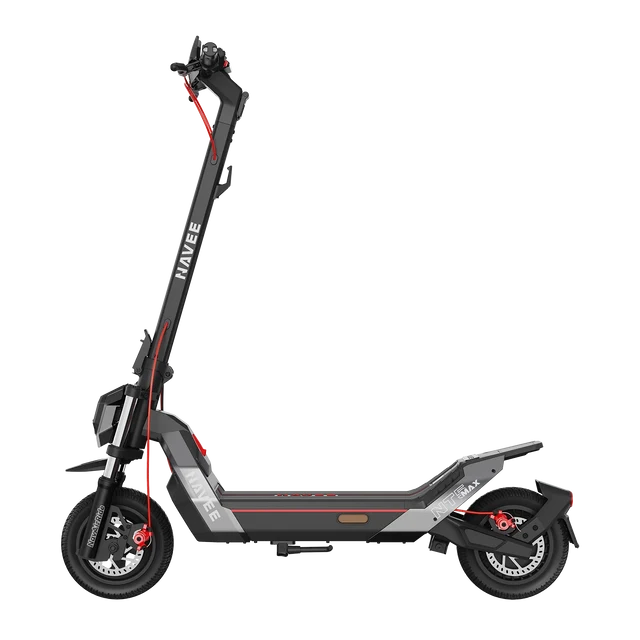
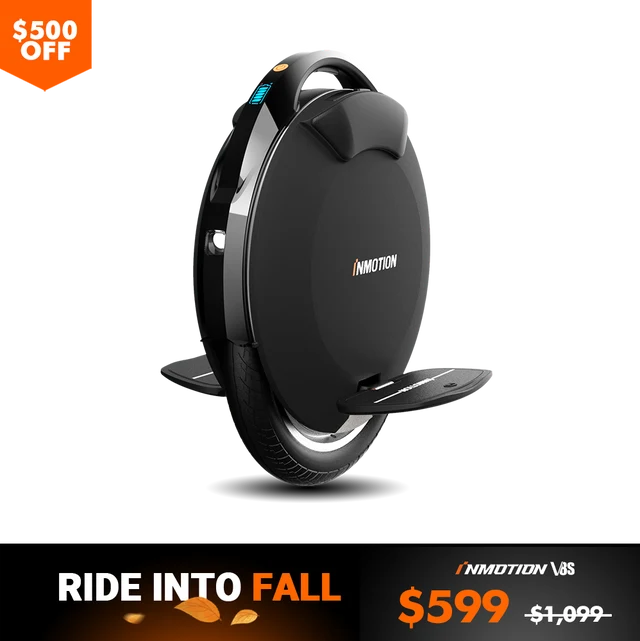
City models that shrug off splashes
Winter storage, the dry-season cousin
The same waterproofing logic ends the season: clean and dry the scooter, top the battery to 50-60% (see the charging guide for why half is the storage sweet spot), store it indoors above freezing, and give the tires a monthly spin so they do not flat-spot. Rain does not kill scooters; neglect after rain does.
Ready to pick a rain-tolerant commuter? The under-$1,000 ranked catalog is sorted by official price, and each model page links to the manufacturer spec sheet where the IP rating lives.
FAQ
What IP rating do I need for rainy commutes?
IPX4 is the practical minimum for drizzle and wet roads; IPX5 or IPX6 is the comfortable choice for climates that rain daily. Below IPX4, treat the scooter as fair-weather only.
Will rain damage my scooter battery?
Not through normal riding on a sealed pack - rain damage almost always enters through the charging port or connectors. Keep the port dry, charge indoors, and the battery is the last thing that fails.
Can I wash my electric scooter with water?
A damp rag for the deck and a low, wide spray - never a pressure washer or a jet at connectors and bearings. Pressure washers defeat every IP rating on the market.
Is it safe to ride an electric scooter in a thunderstorm?
No - and not mainly for electrical reasons. Storm gusts, slick paint, and the traffic chaos around you make it the single worst riding condition. Wait it out; the meeting can start without you.