Home › Guides › Electric Scooter Maintenance: The 10-Minute Monthly Routine
Electric Scooter Maintenance: The 10-Minute Monthly Routine
Ten minutes a month is the difference between a scooter that lasts five years and one that strands you in month eight. Scooter failures are almost never mysterious - they are predictable, cheap-to-fix wear items that were skipped: a soft tire that pinch-flats, a brake cable that stretched into nothing, a folding clamp that worked loose. Here is the whole routine.
The monthly five (about 10 minutes)
- Tire pressure. Gauge, not thumb - against the number printed on the sidewall. This is the single highest-value check: riding visibly soft is what causes pinch flats, and it quietly costs range and top speed. The tire guide covers pressures and the solid-tire exception (no pressure to check, but inspect for cracks instead).
- Brakes. Pull each lever: it should bite firmly within half its travel. Spin each wheel off the ground and listen - a rhythmic scrape means a rubbing rotor; a lever that reaches the grip means adjustment time, now, not at the next ride.
- Folding clamp and stem play. Lock the stem, then push-pull the bars hard. Any knock or play means the latch needs tightening - the part that fails first on every folding scooter, and the one you notice only when it fails at speed.
- Bolts and axles. A quick wrench pass over wheel axles, stem clamp, and deck hardware. You are checking for anything that turned by itself, not re-torquing the whole machine.
- A 30-second battery health glance. Watch for sudden percentage drops on a ride - cliff-like drops are the first sign of cell imbalance, and the battery guide explains what to do about it. Charging habits count as maintenance too: the eight charging rules are the difference between a 2-year and a 4-year pack.
The failure cascade each check prevents
Maintenance on a scooter is cheap because the failure chain is visible: low pressure leads to a pinch flat, which strands you and can bend a rim - a $5 pressure check versus a wheel. A stretched brake cable leads to metal-on-metal rotor contact, which turns a $12 pad swap into a $60 rotor. A loose stem latch hammers the lock mechanism until the play becomes permanent. Every expensive scooter repair we know of started as a 10-second check somebody skipped for a month.
Seasonal items
Twice a year, add the deep checks: tire tread and sidewall cracks (swap tires worn flat in the center), brake pads, bearing condition - a grinding hum from a wheel means water got in, the rain guide's "what breaks first" section explains. Before winter storage: clean, half-charge, indoors - the full checklist is in the rain and storage guide.
Spec-sheet-transparent models that are easy to keep honest
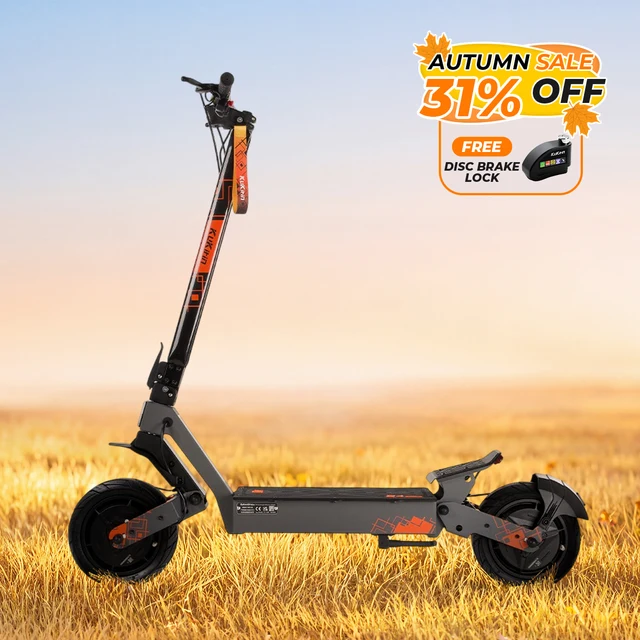
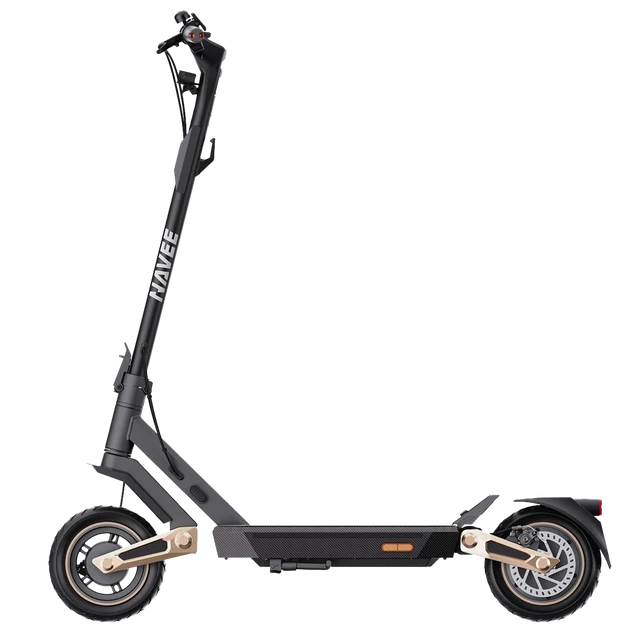
One buying note: maintenance is easier when the spec sheet tells you what you own - tire size and type, brake hardware, IP rating. Every model page here links to the official sheet for exactly that reason, and the models above publish all three plainly. If you have not done a single check from this list this month: the tire pressure one, today. It takes ninety seconds and it is the one that strands people.
FAQ
How often should I service my electric scooter?
A 10-minute check monthly: tire pressure, brake bite, folding clamp play, bolt pass, battery behavior. Deep-check tires, pads and bearings twice a year. Commuters in rain or heat should run the monthly list every two weeks.
What tools do I need for scooter maintenance?
A pressure gauge, the Allen keys that came with the scooter, and a bicycle pump. That covers the entire monthly routine; patches and a spare tube belong in the kit only if your commute cannot survive a walk.
How do I know when brake pads need replacing?
Lever travel grows past half its range, stopping distance lengthens, or you hear grinding - metal backing touching the rotor, which means the pad is gone. Pads are $10-20 and a 20-minute job; rotors are the part you save by not waiting.
Can I hose down my electric scooter when cleaning?
No pressure washer, ever - it defeats every IP rating. A damp rag for the deck and a gentle low spray away from bearings, display and the charging port, then dry the port before charging. The rain guide details what water actually damages.