Best Electric Scooters Under $1,000: A Price-First Catalog
This catalog tracks mainstream electric scooters with verified official prices under $1,000. Use it to compare models by price tier and catalog positioning—commuter, compact, rugged, or performance-leaning—rather than unverified spec claims. Every listing is meant to help you shortlist, then confirm current pricing and local rules before buying.
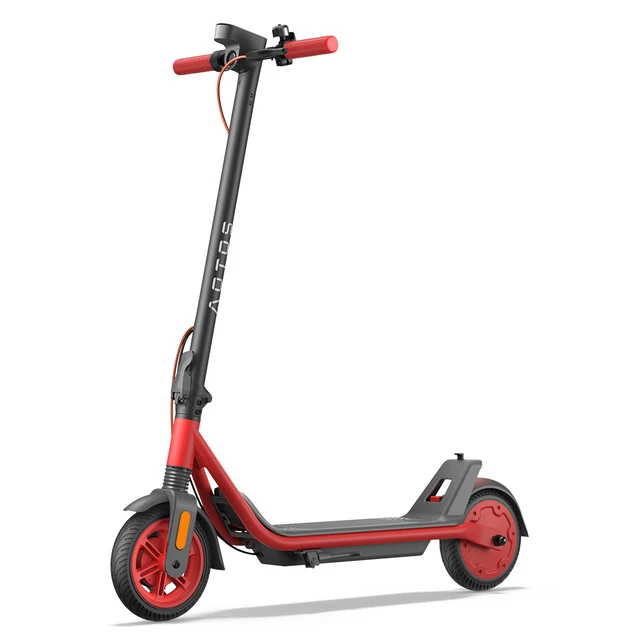
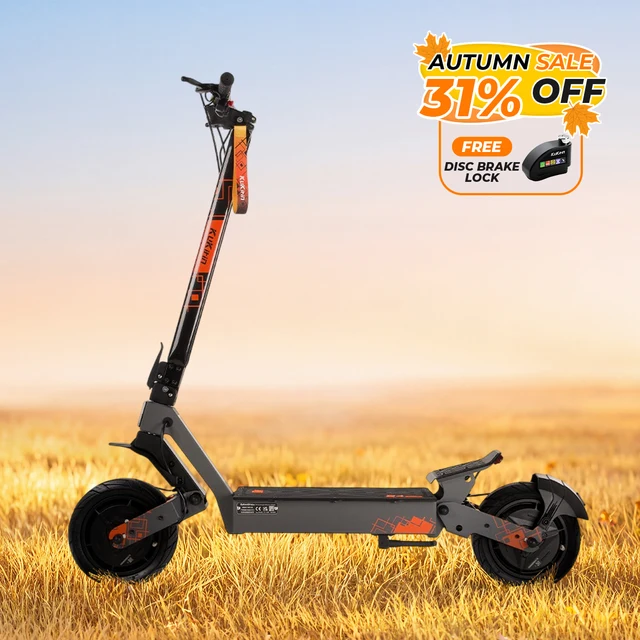
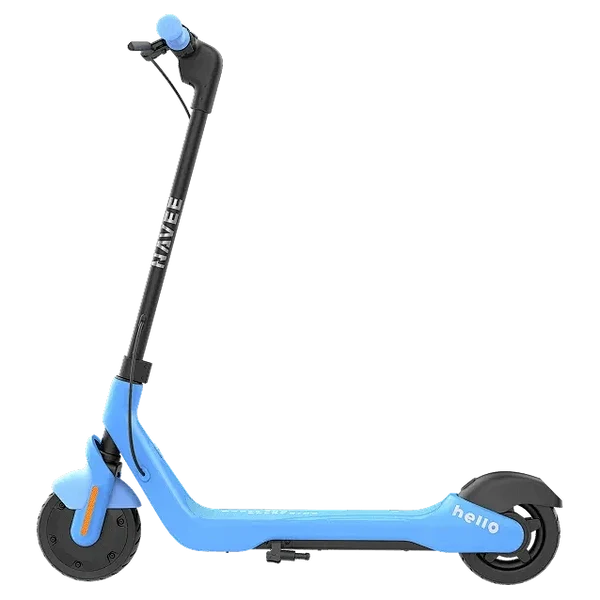
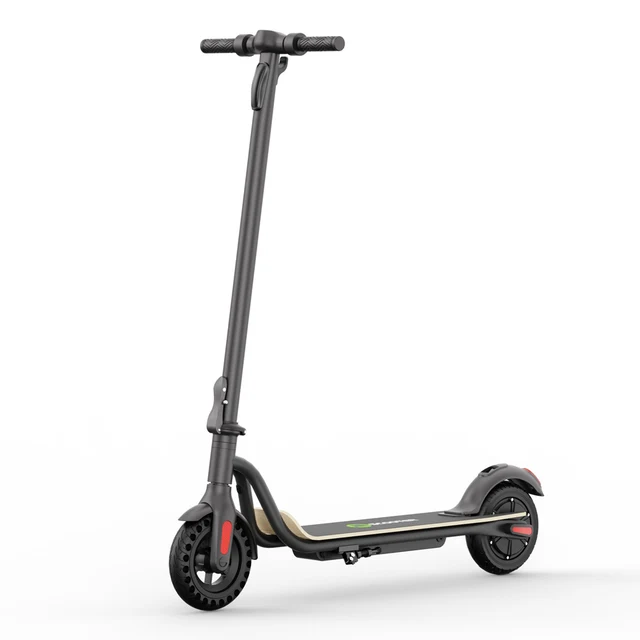
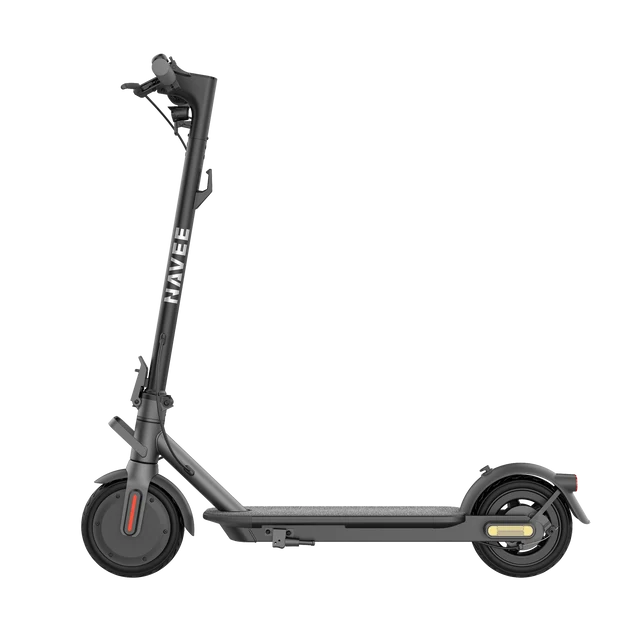
Showing our 5 picks from 79 tracked models in this tier - see the full catalog.
How To Use Price Tiers When Comparing
Start by treating price as a sorting tool, not a quality score. Under $1,000, the useful tiers are roughly entry-level, budget commuter, mid-range sweet spot, and upper-mainstream. A $499 model should be compared with other $499 models, not with a $999 model that solves different problems. Within each tier, compare catalog positioning, release date, parts availability, warranty terms, and folding design. Official price can change with sales or model-year updates, so re-check the tier before you decide. If two scooters sit in the same tier, the better buy is usually the one with clearer support and a design that matches your daily route. Use price to narrow the list, then use practical fit to choose.
What The $1,000 Price Band Realistically Delivers
The $1,000 ceiling is the top of the mainstream market, not the start of premium performance. Realistically, you can expect more mature designs, better parts availability, stronger warranty coverage, and more thoughtful features than at lower tiers. You may also see improvements in build materials, lighting, braking hardware, and app or service support. But every model still involves tradeoffs: weight versus portability, comfort versus simplicity, and price versus serviceability. A scooter at $999 is not automatically twice as good as one at $499. It may be more durable or better supported, or it may simply carry a premium badge. Match the tier to your commute, storage, and maintenance tolerance rather than assuming the highest price under $1,000 is best.
How The Catalog Is Organized
This catalog is built from verified official price and release data. Models are grouped by official price band and tagged with catalog positioning: commuter, compact, rugged, performance-leaning, or value-focused. We do not publish unverified range, top speed, motor wattage, or battery capacity for specific models. Those numbers depend on rider weight, terrain, temperature, firmware, and riding style, and they change too often to treat as fixed truths. If a model lacks a confirmed official price, it stays out of the ranked list until the price is verified. Use the filters to compare within a tier, then open each model page for release history, support notes, and price updates. The goal is a clean shortlist, not a spec-sheet illusion.
Where The $1,000 Ceiling Shows Its Limits
Even at the top of this band, you are still buying a mainstream scooter. That means you should not expect racing performance, touring-level comfort, or premium weather sealing unless a specific model has verified documentation. You may also find that the lightest models sacrifice stability, while the most stable models are harder to carry. High-end features from $1,500+ scooters often trickle down slowly, so a $999 model can feel basic in some areas. The practical limit is not just price; it is your route, storage, and willingness to maintain the machine. If your needs regularly exceed what this band offers, it is better to save for a higher tier than to buy an overstretched $1,000 model and hope it performs like a premium one.
Buying Mistakes To Avoid
The most common mistake is buying from a spec claim instead of verified data. Ignore any listing that promises impossible performance without independent proof. Other mistakes: treating MSRP as the real street price, forgetting to check parts availability, ignoring tire and brake maintenance, and assuming all folding mechanisms are equal. Do not overlook local laws, helmet rules, or where you will park and charge. Avoid no-name brands with no service path, unclear battery certification, or a return policy that disappears after delivery. Do not stretch your budget to the absolute maximum and leave nothing for a lock, helmet, or repairs. Finally, do not buy a heavier or faster scooter than you can safely handle. A good $600 scooter you actually use beats a $999 scooter that sits because it is inconvenient.
A 10-Minute Shortlist Method
Set a hard budget first, then choose one primary catalog position: commuter, compact, rugged, performance-leaning, or value. Filter the catalog by your price tier and eliminate anything without verified official price data. Check the release date to avoid paying near-new prices for an older platform, unless the price reflects that age. Next, confirm parts and service support in your country, then check warranty length and return terms. Compare no more than three models side by side. Look at weight, folding style, tire type, brake type, and lighting only as practical fit questions, not as hype. Finally, verify local legal status and confirm the current checkout price. If two models remain, pick the one with better support and a design you can live with daily.
FAQ
Are electric scooters under $1,000 good enough for daily commuting?
Yes. Many mainstream models in this band are designed for daily commuting, errands, and short trips. The key is choosing the right catalog positioning and confirming local laws. A well-supported mid-tier commuter is often a better daily buy than a top-of-band model with poor parts availability or awkward folding.
Why doesn't ScooterPicks list range, top speed, or motor wattage for each model?
We only publish verified price and release data unless a manufacturer confirms specifications. Range, speed, and power vary with rider weight, terrain, temperature, firmware, and riding style. Treating those numbers as fixed can mislead comparisons. Use price tier, catalog positioning, and support quality to shortlist, then verify specs from the maker if needed.
Should I always buy the most expensive scooter under $1,000?
No. The best model is the one that fits your route, storage, weight limits, and service options. A lower-tier commuter may suit a short flat commute better than a heavier performance-leaning model. Set a hard budget, compare within tiers, and leave room for safety gear and maintenance.
How often do prices change in this catalog?
Official prices can change with sales, model-year updates, and retailer promotions. We track verified official price and release data, so a model may move between tiers when its price changes. Always confirm the current price at checkout and check that the seller is authorized before buying.
We may earn a commission if you buy through links on this page - at no extra cost to you. Prices are captured from each brand's official product feed and can change without notice - always confirm the final price on the official store.