Best Electric Scooters Under $2,000
This catalog page lists every tracked performance electric scooter under $2,000, compared by official price and catalog positioning. It focuses on verified price and release data, not speculative specs. Use the sections below to understand price tiers, what this budget realistically buys, and the mistakes that lead to regret.
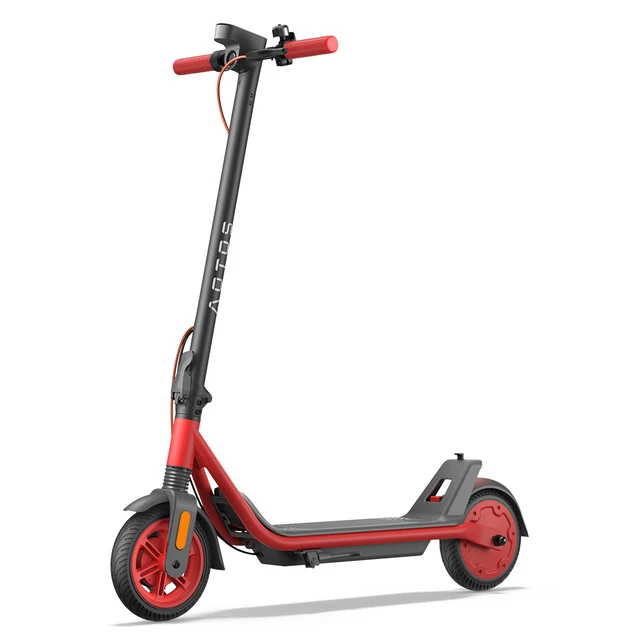
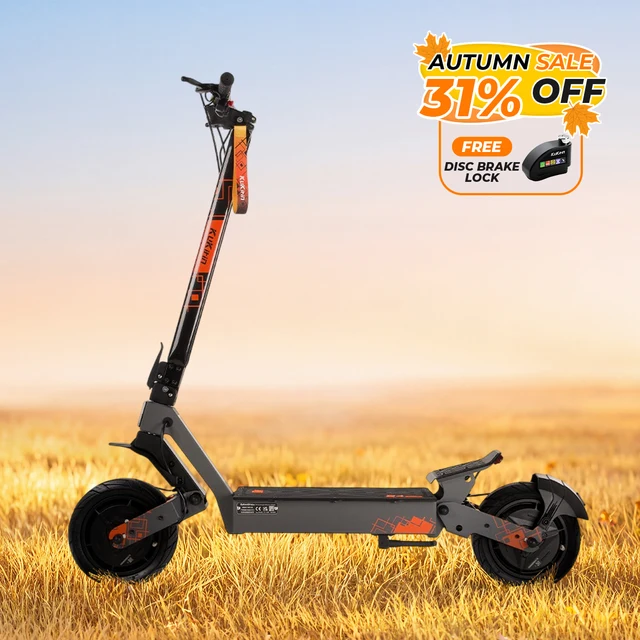
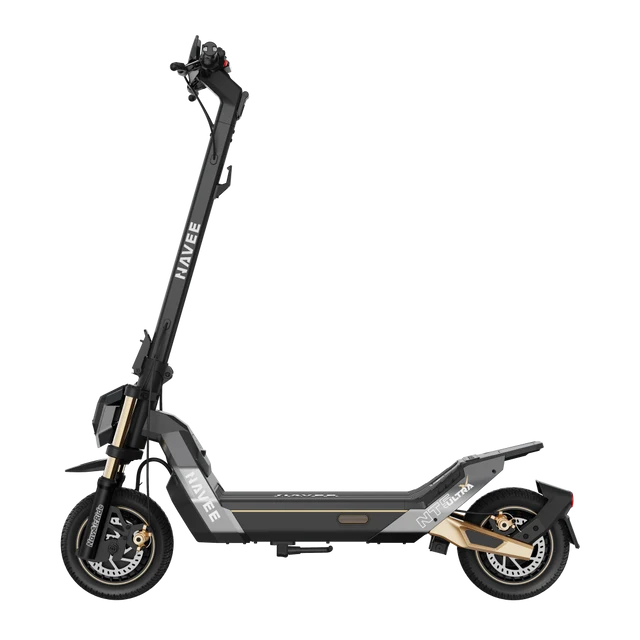
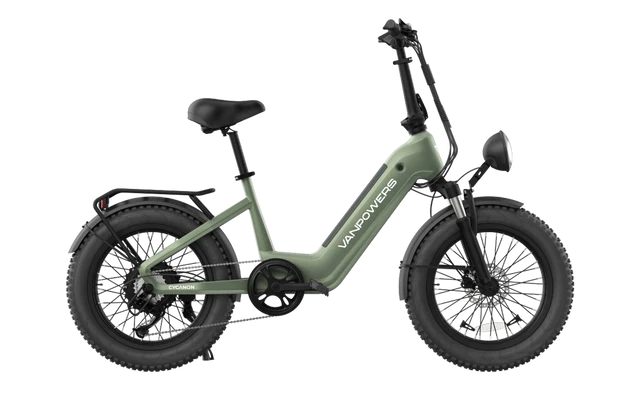
Showing our 5 picks from 132 tracked models in this tier - see the full catalog.
How to use price tiers when comparing
Price tiers are a sorting tool, not a quality score. On this page, start with official price bands: under $500, $500-$1,000, $1,000-$1,500, and $1,500-$2,000. Then read catalog positioning: entry commuter, performance commuter, or premium performance. A scooter at the top of a lower tier may be a better fit than a stripped-down model in a higher tier. Compare each tracked model by release date, warranty, and the features that matter for your route: weight, folded size, brake type, tire type, suspension, and support. Use price to filter, but use your daily needs to decide.
What the $2,000 band realistically delivers
Under $2,000, you are generally buying more mature engineering rather than magic. Expect better odds of hydraulic or hybrid brakes, stronger frames, improved suspension, wider tires, smoother controllers, and more robust folding hardware. You may also see app connectivity, better displays, and more responsive customer support. But this band does not guarantee every premium feature. Some models spend the budget on speed, others on range, comfort, or portability. A $1,900 scooter can still have weaknesses. Check catalog positioning and verified release data, then verify current price. If a feature is not listed by the maker, do not assume it.
Official price vs. sale price
Official price is the stable anchor for comparison. Sale prices change often, vary by region, and can hide older stock. When you sort this catalog, use the official price to compare tiers, then note the current price separately. A steep discount does not upgrade a scooter's catalog position. It may signal a clearance model, a new version, or a temporary promotion. Check the release date and whether the model is still supported. If the official price and sale price tell different stories, trust the official price for tier placement and treat the discount as a buying opportunity, not a performance upgrade.
Catalog positioning: performance, commuter, premium
Catalog positioning tells you what the maker intended. A performance model is usually tuned for spirited riding, stability at speed, and stronger components. A commuter model prioritizes portability, practical range, and easy storage. A premium model often adds refinement, support, and durable parts. Two scooters can share a $1,800 official price but sit in different positions. One may be a heavy performance machine; the other a lighter premium commuter. Neither is automatically better. Match the catalog category to your route, storage, and riding style. If you need to carry the scooter upstairs, a performance tier may be the wrong choice even if the price is right.
Buying mistakes to avoid under $2,000
The most common mistakes are chasing one headline number, ignoring weight, and assuming price equals reliability. Riders buy for top speed or range claims, then discover the scooter is too heavy to store, too stiff for their roads, or hard to service. Avoid models with unclear warranty terms, no parts availability, or a brand history of poor support. Do not overlook brake type, tire maintenance, water exposure, and local laws. Do not stretch your budget to the absolute limit and leave nothing for a helmet, lock, or repairs. Finally, do not buy a first-generation model just because it looks premium.
A practical shortlist method for this page
Start by setting a hard budget under $2,000, then choose two price tiers you are willing to shop. Filter the catalog by official price and catalog positioning. Next, shortlist only models with verified release data and clear support terms. Compare the practical details: folded size, weight, brake system, tire type, suspension, and warranty. If a model lacks verified information, leave it out rather than guessing. Rank your shortlist by fit, not by price alone. A $1,200 scooter that matches your commute and storage is better than a $1,900 model you cannot carry or service. Recheck official price before buying.
FAQ
Are electric scooters under $2,000 worth it?
Yes, for riders who need more stability, better brakes, and longer-term durability than entry-level models usually offer. But price alone does not guarantee quality. Compare official price, release date, catalog positioning, warranty, and parts availability. A well-supported $1,200 model can be a better value than a $1,900 model with unclear service.
Should I buy the newest model under $2,000?
Not automatically. Newer releases may have updated controllers, displays, or safety features, but they can also have teething issues and a shorter parts history. Older performance models with verified prices and strong support can be better value. Check release data, warranty terms, and whether the brand still stocks consumables before deciding.
What is the biggest mistake when comparing scooters under $2,000?
Chasing a single headline claim or number. Riders often overpay for speed they will not use and ignore weight, folded size, tire type, brake feel, support, and legal restrictions. Start with your daily route, storage, and maintenance tolerance, then use official price and catalog positioning to narrow the list.
Does a $2,000 scooter always outperform a $1,000 scooter?
No. The $2,000 band usually buys better build quality, stronger brakes, and more premium components, but a well-chosen $1,000 model can suit lighter riders or shorter commutes better. Compare verified price, release date, warranty, and local support rather than assuming the expensive option wins.
We may earn a commission if you buy through links on this page - at no extra cost to you. Prices are captured from each brand's official product feed and can change without notice - always confirm the final price on the official store.