Electric Scooters Under $500: Price Tier Catalog Guide
This catalog lists every model we track with an official price under $500, ordered by verified price and catalog positioning rather than unverified performance claims. Use it to shortlist scooters in the same price tier, then check official specs and local rules before buying. The goal is a practical fit for your route and budget, not a headline number.
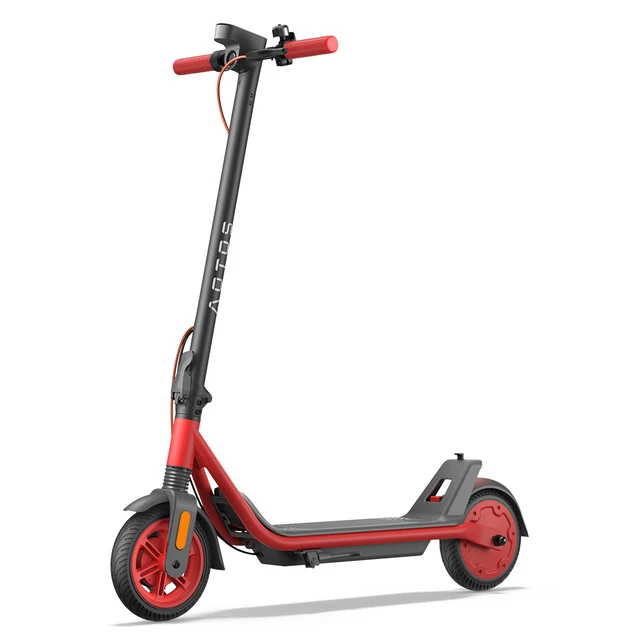
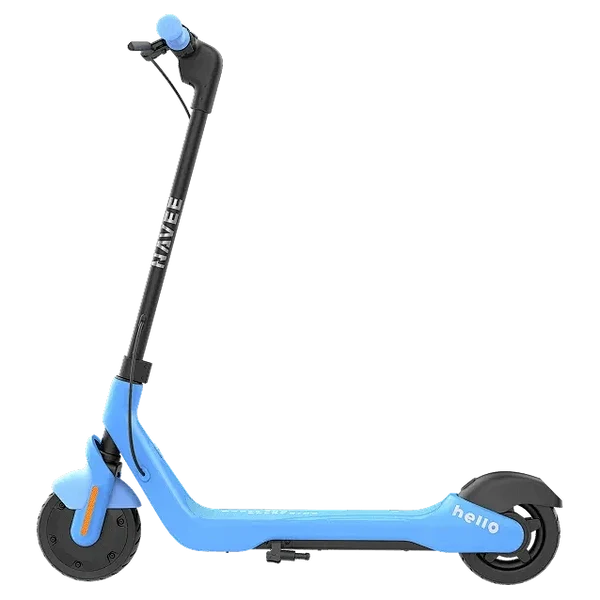
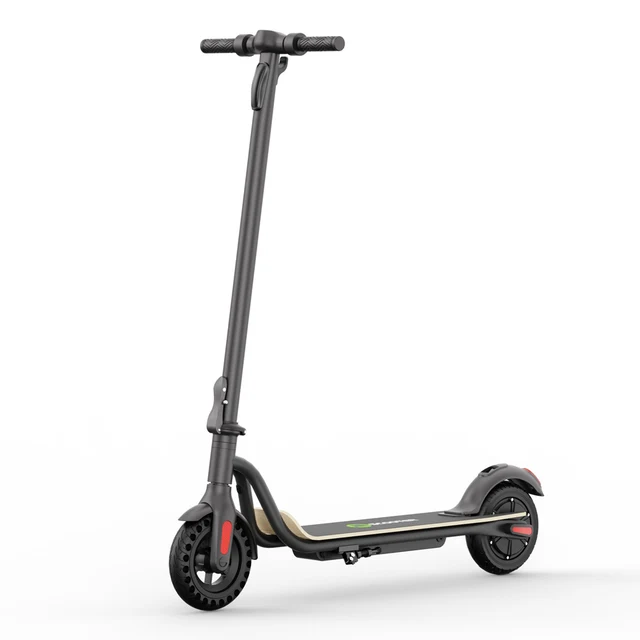
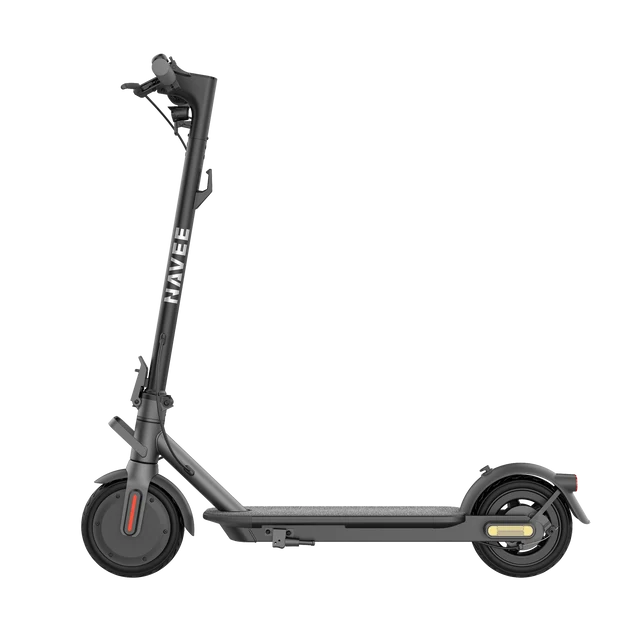
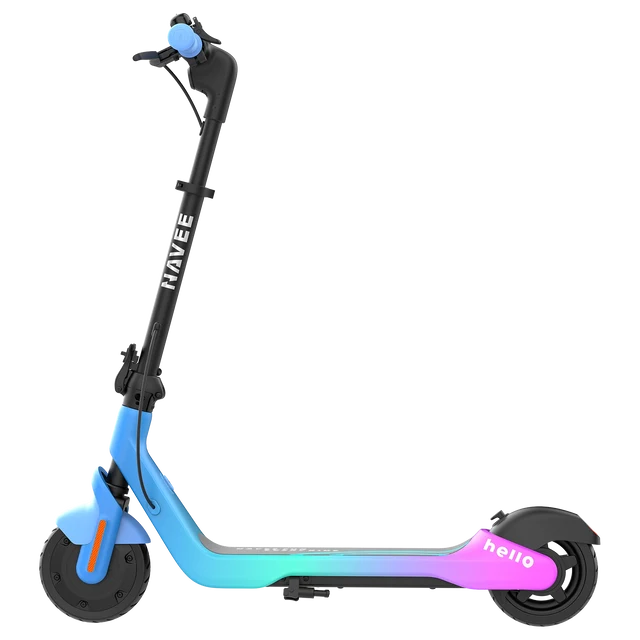
Showing our 5 picks from 34 tracked models in this tier - see the full catalog.
How to Read This Under-$500 Catalog
This catalog tracks budget electric scooters with an official price under $500. Each entry is ordered by verified price and the position the maker gives the model in its own lineup, such as entry-level, compact commuter, or family-focused. We do not rank by range, top speed, motor size, or battery capacity, because those numbers are often inconsistent across retailers and marketing pages. Instead, use the catalog as a shortlist. Compare only models in the same price tier and release window, then verify critical specs from the manufacturer or a trusted independent test before you buy.
Use Price Tiers to Compare Like With Like
Price tiers keep comparisons fair. Treat sub-$200, $200-$299, $300-$399, and $400-$499 as separate groups. A model at $199 should not be judged against one at $499 just because both are under your budget. Within each tier, compare official price, release year, and catalog positioning. Look for models that stay in the same tier across sellers and over time. A stable official price often signals clearer positioning than a temporary sale. If two scooters sit in the same tier and launch year, read the maker's own category label and warranty terms. Those details tell you more about intended use than a headline discount.
What the $500 Band Realistically Delivers
What does $500 realistically buy? A practical entry-level electric scooter, not a premium long-range machine. In this band, expect basic construction, simpler features, and trade-offs in comfort, weather resistance, and hill performance. You are more likely to find models aimed at short errands, last-mile trips, and casual riding than at fast group rides or very long commutes. Some scooters may come from established budget brands, while others are entry models from mid-tier makers. The value is in fit: a well-supported scooter that matches your route, storage space, and daily distance. Do not assume a fixed range or speed. Check verified data before buying.
Official Price, Sale Price, and Release Timing
Official price is the number to anchor your comparison. It is the price the maker or brand sets for the model, not a flash sale, coupon, or marketplace markup. A scooter's official price determines its catalog tier and helps you compare across retailers. Release year matters because older models may still be sold at their original tier even when newer versions exist. That can mean better value or harder-to-find parts, depending on the brand. Track both fields together. A 2021 model at $499 is not the same buying decision as a 2024 model at $499, even if both are listed in the same band.
Catalog Positioning: Entry, Commuter, Compact
Catalog positioning is where the maker places a model in its lineup. Common labels include entry-level, commuter, compact, and performance-leaning. These labels are useful because they show intent without relying on unverified specs. For example, a compact model is likely designed for easy storage, while a commuter model may prioritize stability. Use positioning as a filter, then confirm the details that matter to you: folded size, weight, tire type, brake type, and support. If a brand changes the positioning between release years, treat it as a new comparison. Do not assume the newer model is automatically better for your needs.
Buying Mistakes to Avoid in the Budget Band
Avoid these common mistakes. Do not buy the cheapest model just because it is under $500; check warranty, parts, and brand support first. Do not compare sale prices across tiers as if they reflect build quality. Do not trust advertised range or top speed without independent verification. Do not ignore weight, folding size, and charging needs if you carry the scooter upstairs or onto transit. Do not overlook local laws, helmet rules, or sidewalk restrictions. Do not buy from a seller with no return policy. Finally, do not assume a familiar brand name guarantees quality in this band; entry models can differ sharply from premium ones.
FAQ
Are electric scooters under $500 good for daily commuting?
They can be, if your commute is short and you have realistic expectations. Budget scooters often suit last-mile trips, station connections, and errands better than long, fast commutes. Check the route, storage, charging access, and local rules. Verify the model's real-world performance from independent tests, because price alone does not guarantee reliability or comfort.
Why do you not list range and top speed for each model?
Our catalog focuses on verified price and release data. Range and top speed claims vary by rider weight, terrain, temperature, tire pressure, and riding mode, so a single number can mislead. We link to official specs where available and recommend independent testing. This keeps the under-$500 comparison honest and avoids repeating inflated marketing figures.
Should I buy the cheapest scooter in the under-$500 catalog?
Not automatically. The cheapest model may lack support, spare parts, or a useful warranty. Compare within the same price tier, then weigh release year, catalog positioning, and seller policies. A slightly higher price can be worth it if the brand offers better service or the model fits your route. Set a total budget for helmet, lock, and maintenance too.
How often do prices change in the under-$500 band?
Prices move often due to sales, new releases, and retailer stock. Official price is more stable than street price, which is why we use it for tiering. Before buying, confirm the current official price on the maker's site, then compare it with trusted retailers. A model can drop a tier temporarily, but that sale may not reflect its long-term value.
We may earn a commission if you buy through links on this page - at no extra cost to you. Prices are captured from each brand's official product feed and can change without notice - always confirm the final price on the official store.